
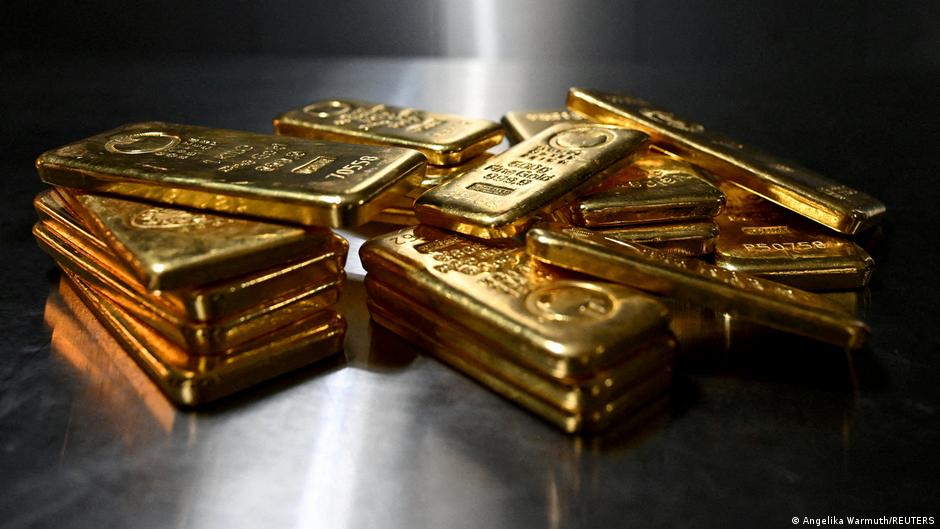

Gold Investment Guide — Everything You Need to Know in 2025
Why is Gold Valuable?
Gold has been considered valuable for over 5,000 years. Unlike paper currency, it cannot be printed or inflated away. There is a finite amount of gold on Earth — all the gold ever mined would fit into roughly 3.5 Olympic swimming pools. Central banks hold gold as a reserve asset, and it is universally accepted across every culture and country. Its combination of scarcity, durability, and universal trust makes it uniquely valuable.
What is the Difference Between 24K, 22K and 18K Gold?
Karat measures gold purity. 24K gold is 99.9% pure — the standard used for investment bars and coins. 22K gold is 91.7% pure, mixed with silver or copper for durability — used in coins like the Turkish Republic Gold and British Sovereign. 18K gold is 75% pure, most common in jewellery. For investment purposes, 24K or 22K is preferred. Always check the karat stamp before buying.
What is Spot Price vs Retail Price?
The spot price is the current market price of one troy ounce (31.1g) of pure gold traded on global exchanges. The retail price you pay at a jeweller or coin dealer is always higher — it includes fabrication costs, dealer margins, and sometimes a collectibility premium. The difference between spot and retail is called the premium. For investment gold, choose products with the lowest premium over spot.
Is Gold a Good Hedge Against Inflation?
Historically, yes. When inflation rises and paper currency loses purchasing power, gold tends to hold or increase its value. During periods of high inflation in the 1970s and 2020s, gold significantly outperformed cash savings. However, gold pays no interest or dividends, so in low-inflation environments with high interest rates, it can underperform bonds or savings accounts.
Physical Gold vs Gold ETF vs Digital Gold
Physical gold (coins, bars, jewellery) gives you direct ownership but requires secure storage. Gold ETFs track the gold price and trade like stocks — easy to buy and sell, no storage needed, but you don't own physical metal. Digital gold platforms let you buy fractional amounts backed by real gold in a vault. For long-term wealth preservation, physical gold is preferred. For trading and liquidity, ETFs win.
What Moves the Gold Price?
Several key factors drive gold prices: US Dollar strength — gold is priced in USD, so a weaker dollar makes gold cheaper for foreign buyers, pushing prices up. Interest rates — higher rates make bonds more attractive, reducing gold demand. Geopolitical uncertainty — wars, crises and instability drive investors to safe-haven assets like gold. Central bank buying — when central banks increase gold reserves, prices rise. Inflation expectations — rising inflation drives demand for gold as a store of value.
Gold vs Bitcoin — Store of Value Debate
Both gold and Bitcoin are called "stores of value" with limited supply. Gold has 5,000 years of history, zero technology risk, and universal acceptance. Bitcoin has only existed since 2009, is highly volatile, but offers portability and a fixed supply of 21 million coins. Gold is the conservative choice — Bitcoin the high-risk, high-reward alternative. Many investors hold both: gold for stability, Bitcoin for growth potential.
How Much Gold Should I Have in My Portfolio?
Most financial advisors suggest allocating 5–15% of your portfolio to gold as a hedge. During times of high uncertainty or inflation, some investors increase this to 20%. Gold works best as an insurance policy — not the main investment. Combine it with stocks, bonds, and cash for a balanced, resilient portfolio that can weather different economic conditions.